**Summary:** LLMs are automating design and coding.
The digital landscape is in perpetual motion, constantly reshaped by emerging technologies. Among these, Artificial Intelligence (AI) stands as a monumental force, poised to redefine virtually every aspect of our lives. Its influence on web development, once a nascent concept, is rapidly accelerating, promising a future where websites are not just coded, but intelligently designed, optimized, and personalized at an unprecedented scale. This isn't merely an incremental upgrade; it's a fundamental paradigm shift that will empower developers, revolutionize user experiences, and unlock new frontiers of creativity and efficiency.
One of the most immediate and impactful areas where AI is making its mark is in the initial phases of web development: design and prototyping. Gone are the days when every UI element, every layout, and every color palette had to be manually conceived. AI-powered design tools, often referred to as 'design intelligence platforms,' are emerging, capable of generating sophisticated website mockups and complete UIs from simple text prompts or even rough sketches. These tools leverage vast datasets of successful designs, understanding principles of aesthetics, usability, and brand consistency.
Imagine a scenario where a designer inputs "e-commerce site for sustainable fashion, minimalist aesthetic, targeting Gen Z," and the AI instantly generates several fully fleshed-out design options, complete with responsive layouts, optimal typography, and accessible color schemes. These systems can analyze user data, identify design trends, and even predict which designs will perform best for specific user segments. This not only dramatically speeds up the prototyping phase but also democratizes design, allowing individuals with less graphic design expertise to bring their visions to life with professional-grade quality. Furthermore, AI can take existing brand guidelines and automatically apply them across new pages or features, ensuring cohesive visual identity throughout a digital product's lifecycle.
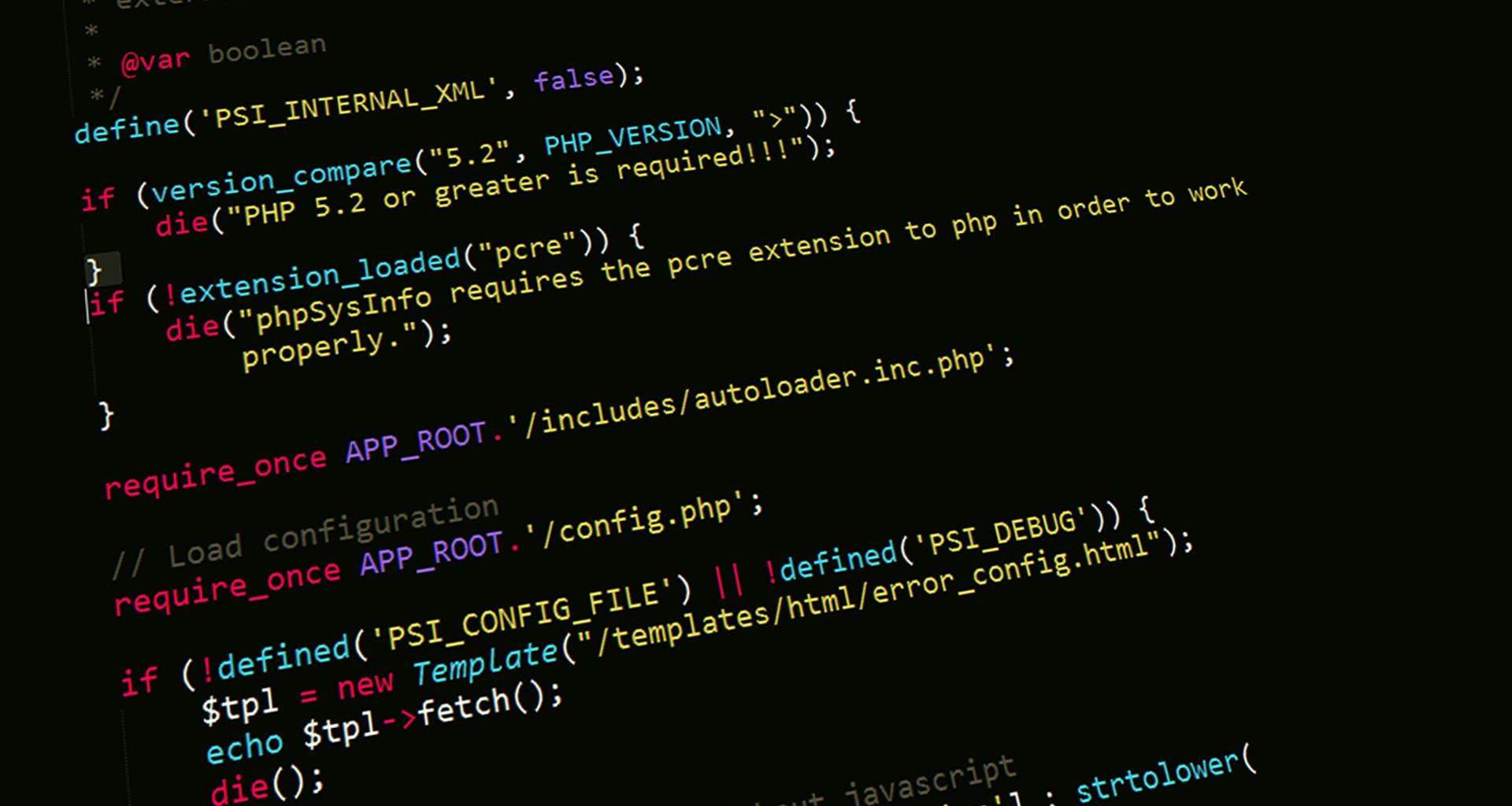
Beyond design, AI's ability to understand and generate code is already proving to be a game-changer. Tools like GitHub Copilot, built on large language models (LLMs), are providing intelligent code suggestions, auto-completing functions, and even generating entire blocks of code based on comments or existing patterns. The future will see these capabilities evolve significantly.
AI will move from mere suggestions to becoming a true coding partner, capable of generating entire components, implementing complex algorithms, and integrating third-party APIs with minimal human intervention. Developers will shift from writing boilerplate code to architecting, overseeing, and refining AI-generated solutions. This translates into faster development cycles, allowing teams to launch features and products at an accelerated pace. Moreover, AI can identify and suggest optimizations for existing codebases, flagging performance bottlenecks, security vulnerabilities, and areas for refactoring, leading to more robust, efficient, and maintainable applications. The burden of writing repetitive code is lifted, allowing human developers to focus on higher-level problem-solving and innovative solutions.
The ultimate goal of web development is to create engaging and effective user experiences. AI is set to revolutionize personalization, moving beyond simple recommendations to crafting hyper-tailored interactions for individual users. Imagine a website that not only knows your preferences but anticipates your needs, adapting its layout, content, and functionality in real-time based on your behavior, mood, and even external factors like location or time of day.
AI-driven personalization engines will analyze vast amounts of user data, including browsing history, click-through rates, purchase patterns, and even sentiment analysis from interactions. This allows for dynamic content generation, adaptive UI adjustments, and highly relevant product or service suggestions. For e-commerce, this means significantly higher conversion rates. For content platforms, it means unparalleled engagement. This deep level of personalization will make websites feel more intuitive and natural, blurring the lines between a static interface and an intelligent, responsive companion. This proactive personalization will redefine user expectations, making generic experiences feel archaic.
Accessibility is a critical, yet often overlooked, aspect of web development. AI holds immense potential to make the web truly accessible to everyone, regardless of their abilities. AI can automatically audit websites for WCAG compliance, identify accessibility gaps, and even suggest or implement fixes. Beyond static checks, AI can power real-time adaptations.
Consider AI-powered tools that can dynamically adjust font sizes, color contrasts, or provide real-time audio descriptions for images to visually impaired users. Natural Language Processing (NLP) can interpret complex navigational structures and simplify them for users with cognitive impairments. AI can also facilitate multilingual access by providing instantaneous, high-quality translations of website content. By embedding AI directly into the development and deployment pipeline, web experiences can be inherently inclusive, reducing the manual effort currently required to meet accessibility standards and ensuring that digital platforms truly serve a global audience.
Testing and QA are indispensable but often resource-intensive stages of web development. AI is transforming this by automating and enhancing the testing process. AI-powered testing tools can learn from user interactions, identify critical user flows, and generate test cases autonomously. They can perform visual regression testing, comparing screenshots across different builds to detect subtle UI changes that human eyes might miss.
Furthermore, AI can predict where bugs are most likely to occur based on code changes and historical data, allowing QA teams to focus their efforts more efficiently. Performance testing can be optimized with AI analyzing traffic patterns and simulating realistic load scenarios to identify bottlenecks before deployment. This results in significantly fewer bugs, faster release cycles, and more stable, performant web applications. AI acts as a tireless, hyper-vigilant quality guardian, elevating the standard of web application reliability.
In the competitive digital landscape, understanding user behavior and optimizing for search engines is paramount. AI excels at pattern recognition and prediction, making it an invaluable asset for analytics and SEO.
AI-driven analytics platforms can move beyond simply reporting what happened; they can predict future user behavior, identify emerging trends, and highlight potential issues before they escalate. For SEO, AI can analyze search engine algorithms in real-time, suggesting optimal content strategies, keyword targeting, and technical SEO improvements. It can even generate SEO-friendly content variations and meta descriptions. This proactive approach allows web developers and marketers to stay ahead of the curve, adapting their strategies to maximize visibility, attract target audiences, and drive continuous growth. The days of reactive SEO are fading, replaced by an AI-powered predictive paradigm.
While the future painted by AI in web development is undeniably bright, it's not without its challenges and ethical considerations. Data privacy, algorithm bias, and the potential for job displacement are critical issues that must be addressed. Developers will need to acquire new skills, moving towards roles focused on AI integration, prompt engineering, and ethical AI governance. The balance between automation and human oversight will be crucial to ensure that AI serves as an augmentation, not a replacement, for human creativity and judgment.
Ensuring transparency in AI-driven decisions, mitigating inherent biases in training data, and developing robust security protocols for handling sensitive user information will be paramount. The responsible deployment of AI will require a collaborative effort from technologists, ethicists, policymakers, and the wider community to shape a future where AI's power is harnessed for universal good.
The future of AI in web development is not about machines replacing humans, but rather about a profound new era of human-AI collaboration. AI will act as an incredibly powerful assistant, a tireless analyst, and a creative accelerator, freeing developers to focus on higher-level strategic thinking, complex problem-solving, and truly innovative experiences. Websites will become more intelligent, more personalized, and more accessible than ever before. Developers who embrace these AI tools and adapt their skill sets will be at the forefront of this exciting transformation, building a web that is not only more efficient to create but fundamentally better for everyone who uses it. The journey has just begun, and the web's intelligent evolution is set to be one of the most exciting sagas of the 21st century.