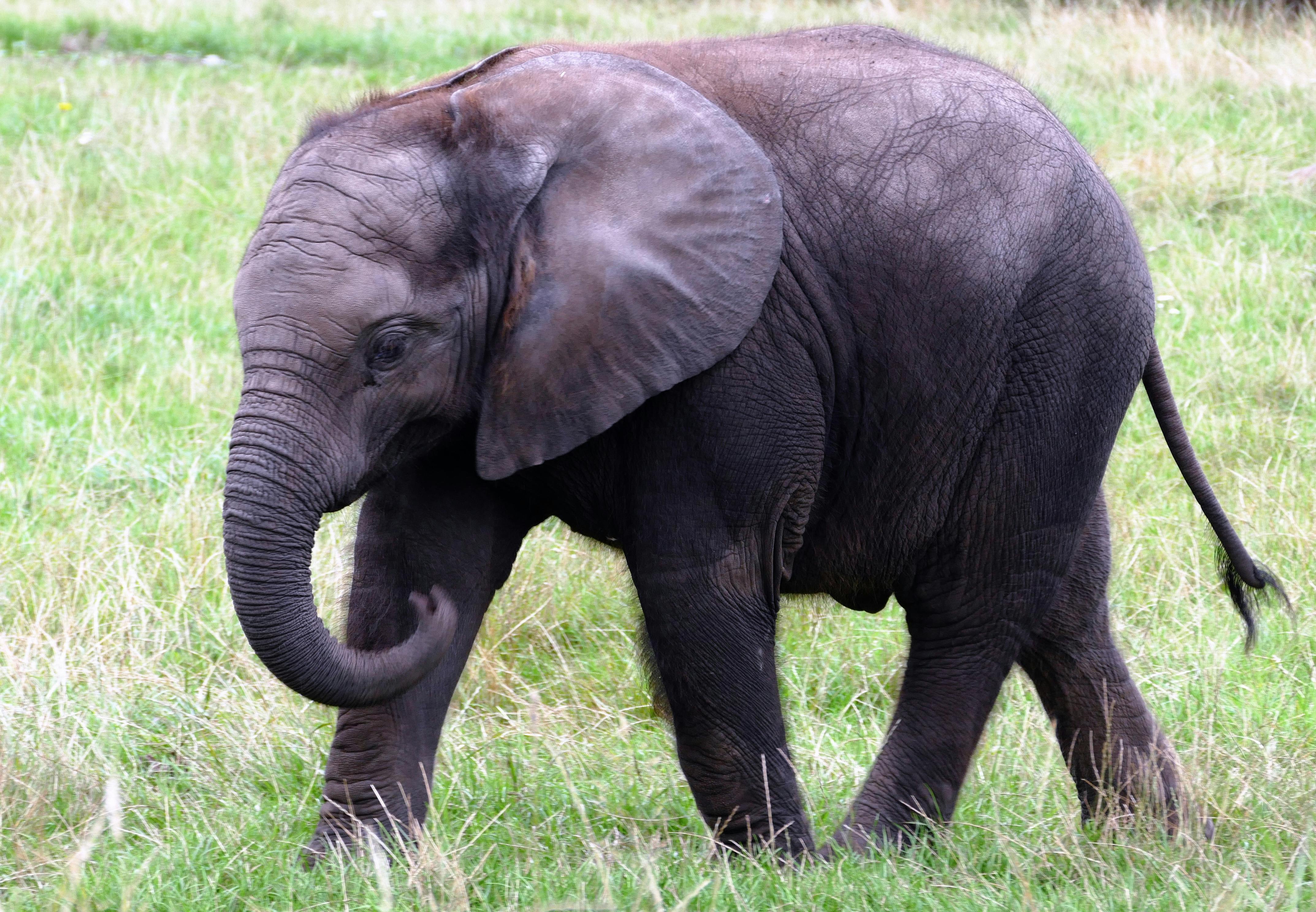
**Summary:** Explore the vital role elephants play in ecosystems, the threats they face, and how conservation efforts are working to protect these majestic creatures.
Elephants, the largest land mammals on Earth, are far more than just magnificent creatures to behold. They are keystone species, meaning their presence and activities disproportionately shape their environment. From the African savannas to the Asian forests, these intelligent giants act as ecosystem engineers, creating and maintaining habitats for countless other species. Their foraging behavior, migration patterns, and even their sheer size contribute to the health and diversity of their ecosystems in ways we are only beginning to fully understand.
One of the most remarkable roles elephants play is that of landscape architects. By pushing over trees and trampling vegetation, they help convert woodlands into grasslands, which in turn supports a different set of herbivores and predators. This behavior prevents certain tree species from dominating an area, promoting biodiversity. In times of drought, their ability to dig for water using their tusks and trunks creates water holes that become vital resources for other animals, from antelopes to birds. These actions demonstrate how elephants inadvertently act as caretakers of their habitats.
Elephants are also critical agents of seed dispersal. They consume a vast variety of fruits and vegetation, and their digestive systems are uniquely equipped to process large seeds that many other animals cannot handle. These seeds are then deposited over great distances through their dung, which acts as a fertile growing medium. This process not only helps in plant regeneration but also aids in genetic diversity by allowing plants to colonize new areas. Some tree species, like the baobab in Africa, rely almost exclusively on elephants for seed dispersal, highlighting a co-evolutionary relationship that underscores their ecological indispensability.
Beyond their environmental impact, elephants possess complex social structures and high levels of intelligence. They live in matriarchal herds led by the oldest and most experienced female, who guides the group to water sources, feeding grounds, and safe routes. Their communication involves a range of vocalizations, infrasound (low-frequency sounds that travel long distances), and tactile signals. Elephants are known for their empathy, mourning rituals for deceased herd members, and problem-solving abilities, traits that have fascinated scientists and ethicists alike.
Despite their crucial role, elephants face severe threats. Habitat loss due to human expansion, agriculture, and infrastructure development fragments their territories, leading to increased human-wildlife conflict. Poaching for ivory remains a persistent danger, driven by illegal wildlife trade. Climate change exacerbates these issues by altering rainfall patterns and reducing water availability. These cumulative pressures have led to dramatic declines in elephant populations, with both African and Asian elephants listed as endangered or critically endangered.
Thankfully, numerous conservation initiatives are underway to protect these gentle giants. Anti-poaching patrols, community-based conservation programs, and international agreements like CITES (Convention on International Trade in Endangered Species) aim to curb illegal hunting. Habitat corridors are being established to connect fragmented landscapes, allowing elephants to migrate safely. Educational campaigns raise awareness about the importance of elephants and promote coexistence between humans and wildlife. Technological advancements, such as GPS collaring and drone surveillance, are also being employed to monitor herds and prevent conflicts.
The future of elephants hinges on global cooperation and sustained effort. Supporting ethical tourism, advocating for stronger wildlife protection laws, and contributing to reputable conservation organizations are ways individuals can help. Ultimately, preserving elephants is not just about saving a single species; it is about safeguarding the intricate web of life they help sustain. As guardians of the wild, their survival is intertwined with the health of our planet.